
17 for 4: Illuminating Partnerships for a Stronger ECCD System
Adarna Group Foundation, Inc. (AGFI) and the UniEd Foundation convened organizations across public and private sectors for “17 for 4: Forming Partnerships for ECCD” last November 6, 2025 at Adarna House, Quezon City. This collaborative session was designed to foster co-creation, dialogue, and shared commitment toward building a stronger and more responsive Early Childhood Care and Development (ECCD) system in the Philippines.
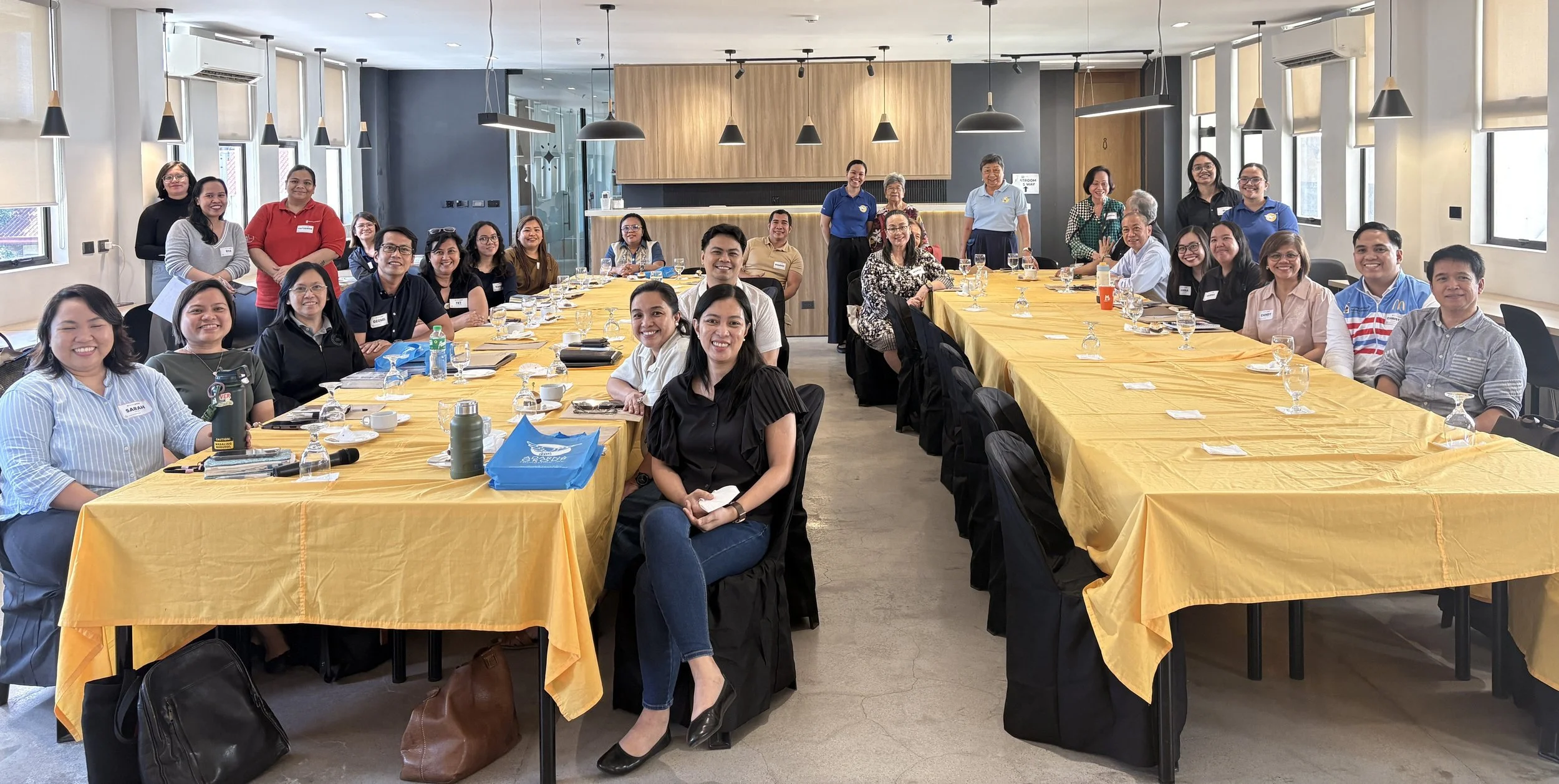
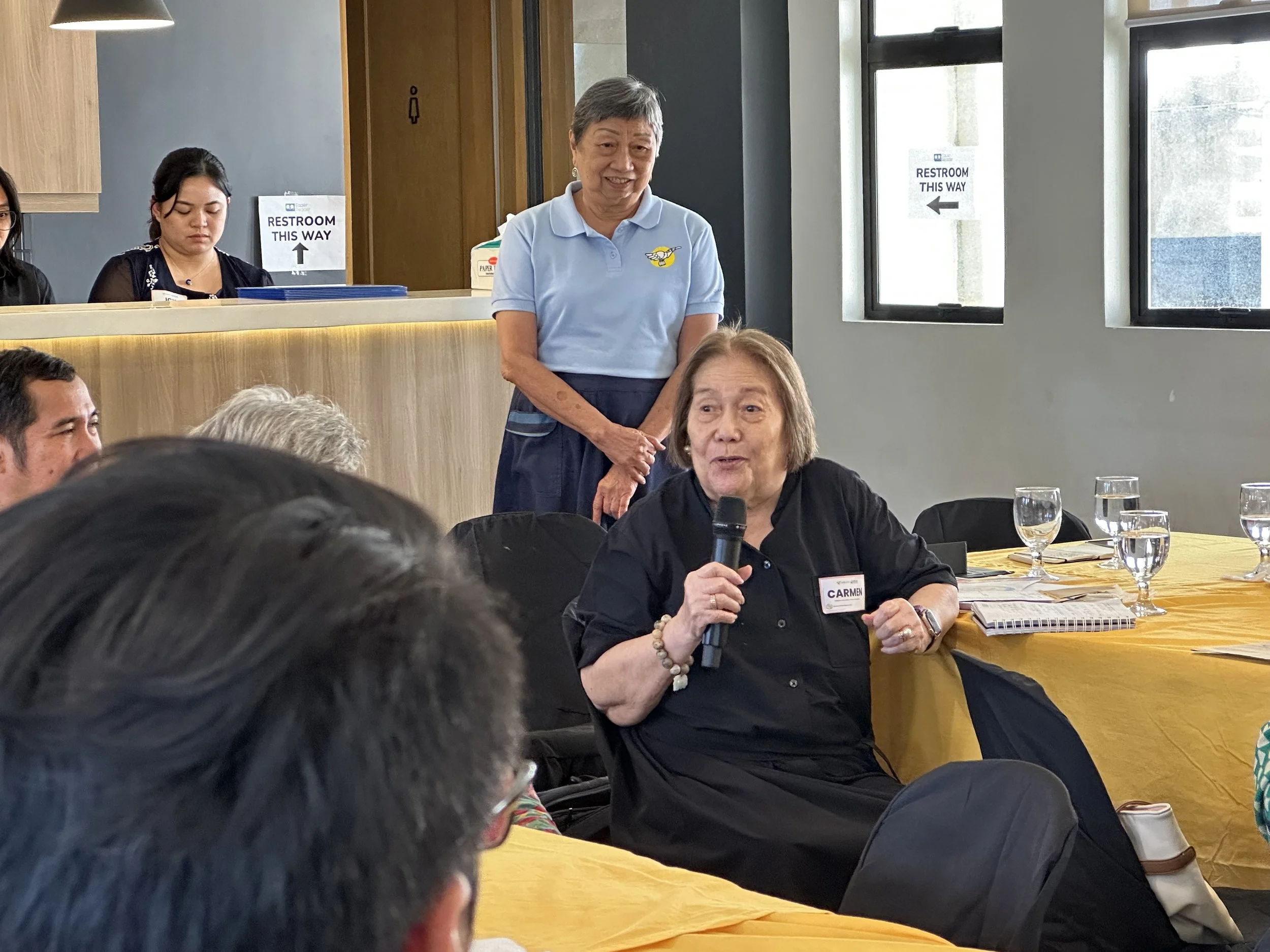
Anchored on the key findings of the Second Congressional Commission on Education (EDCOM II)—which underscores the urgent need to strengthen the different facets of ECCD—the gathering brought together stakeholders to surface ongoing initiatives and explore opportunities for deeper collaboration. Described by AGFI President and Chairperson Ms. Emelina Almario as a “lighthouse effect,” the session sought to illuminate a shared direction for the sector by creating not only a physical venue for convening CSOs but also a space in the minds and hearts of participants to work collectively toward a more equitable ECCD system.
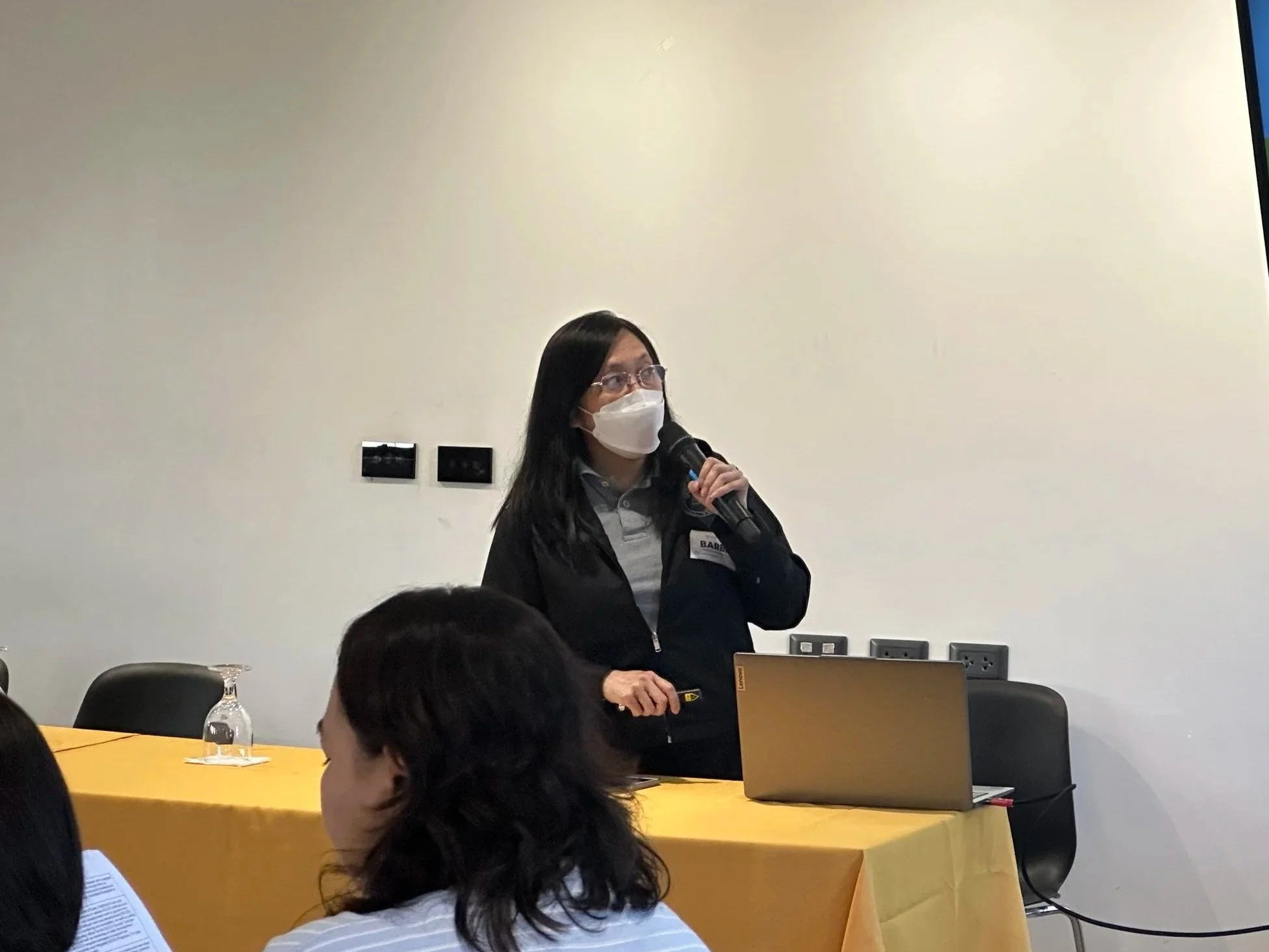
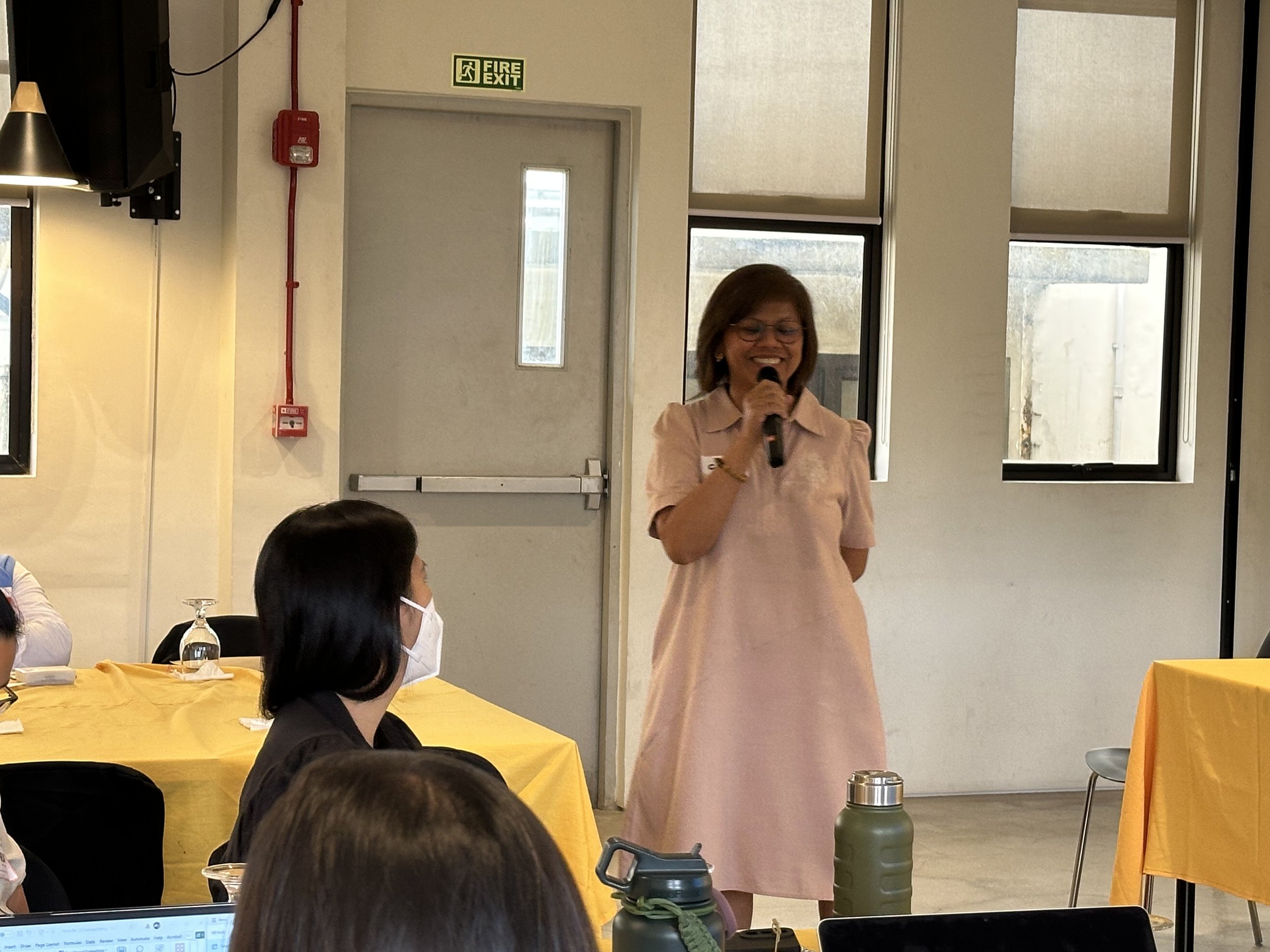
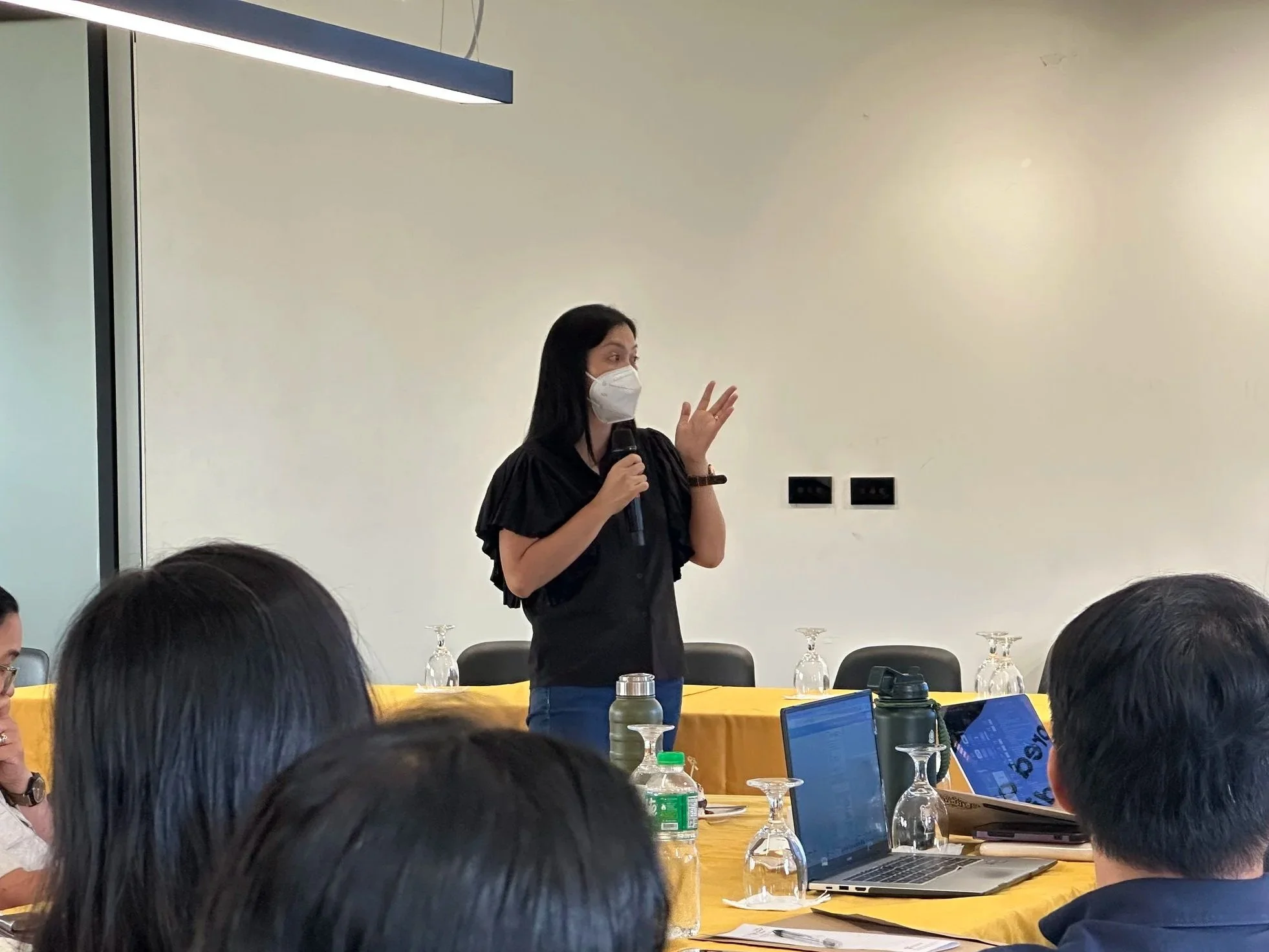
In the true spirit of collaboration, the session was attended by 17 organizations, with seven groups sharing insights on how to bridge ECCD gaps and the specific contributions their organizations made toward building a more robust early childhood system. Their presentations highlighted interventions across health, education, infrastructure, and child development workers’ professional development.
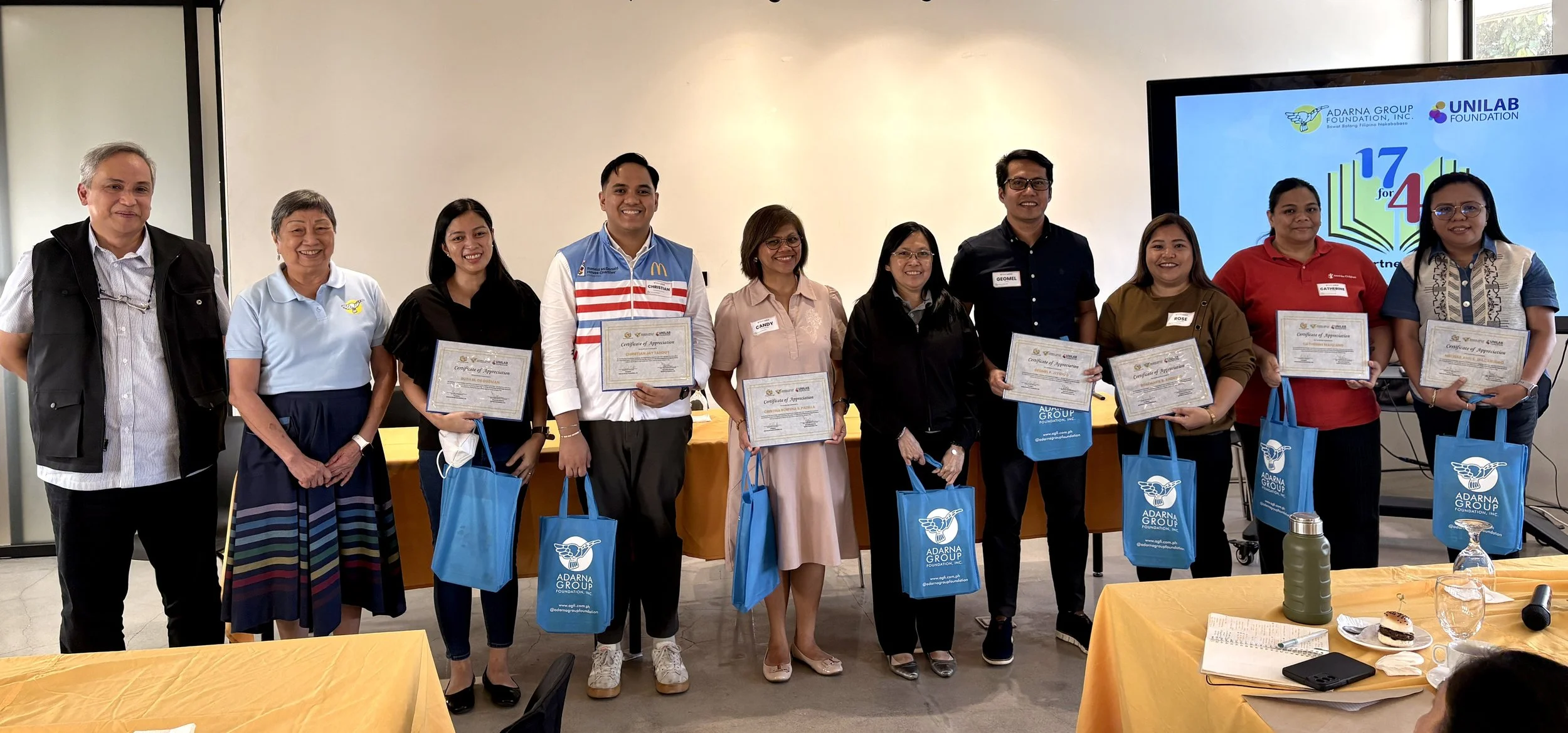
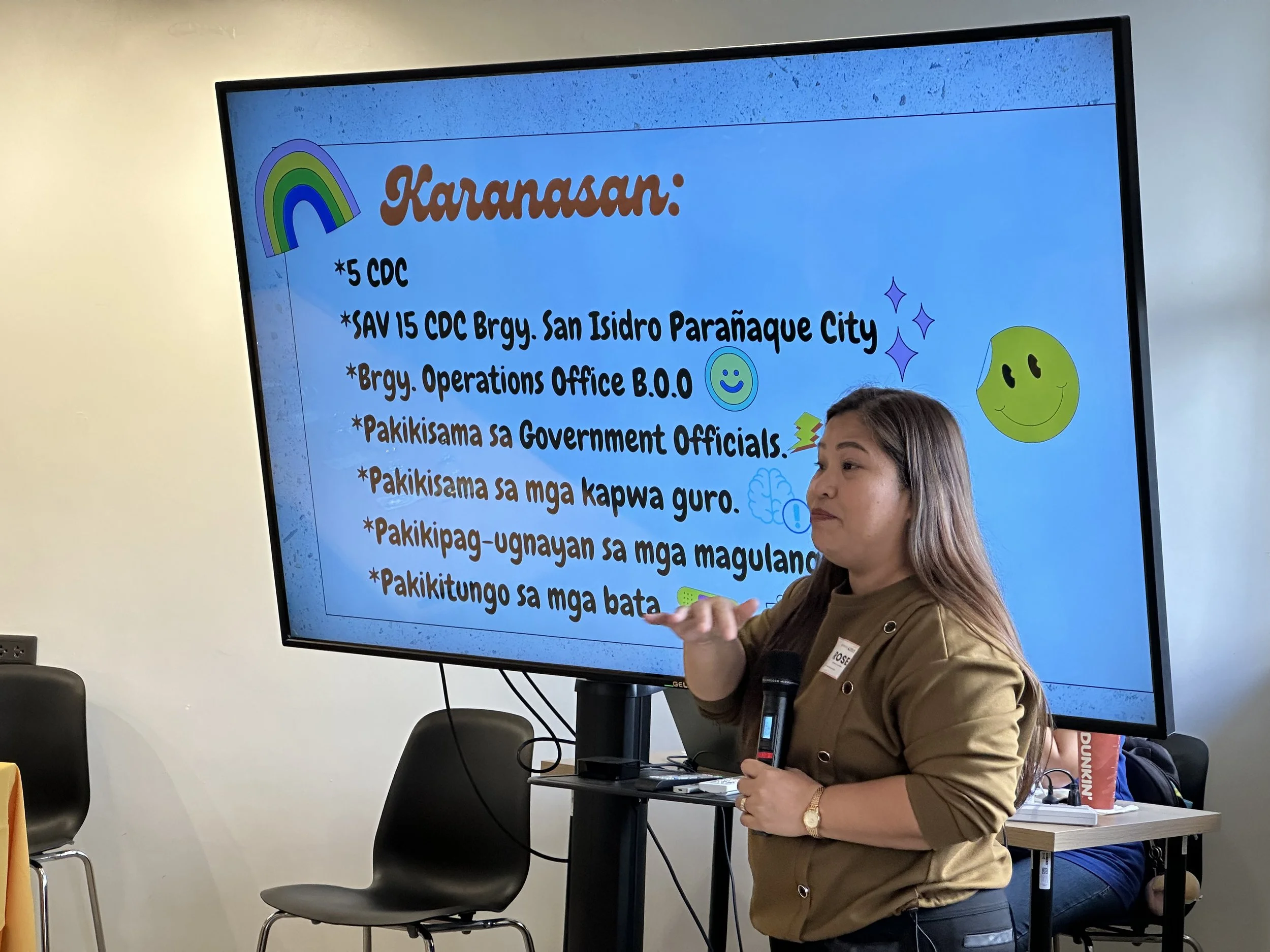
The exchange of ideas revealed the breadth and depth of ECCD work already underway. Mr. Geomel Jetonzo of World Vision emphasized the importance of community engagement and multisectoral support, underscoring the role of families, community, local governments, and nongovernment partners in nurturing young learners. He also highlighted the need for safe, play-based environments that allow children to explore and develop holistically. Ms. Ruth De Guzman, former executive director of AGFI, presented the development and implementation of Magsimulang Magbasa Program (MMP) and described how its design targets reading readiness and empower teachers and parents with essential tools for early literacy. Sharing her experiences from the field, Ms. Rosemarie Andrino from Kagabay Foundation shared the everyday challenges faced by child development workers like her. This underscored how gaps in training, resources, and institutional support affect both child development workers (CDWs) and learners.
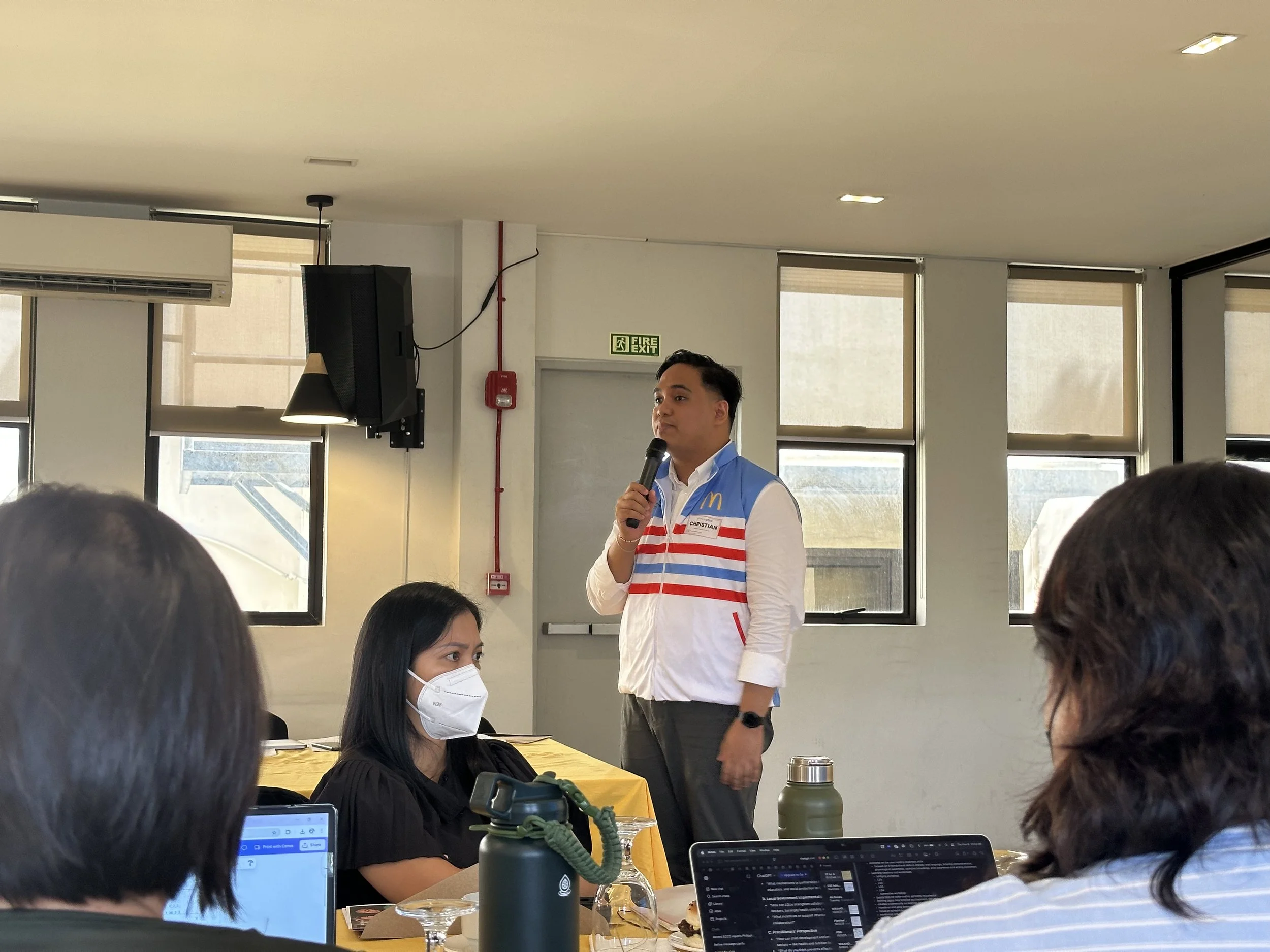
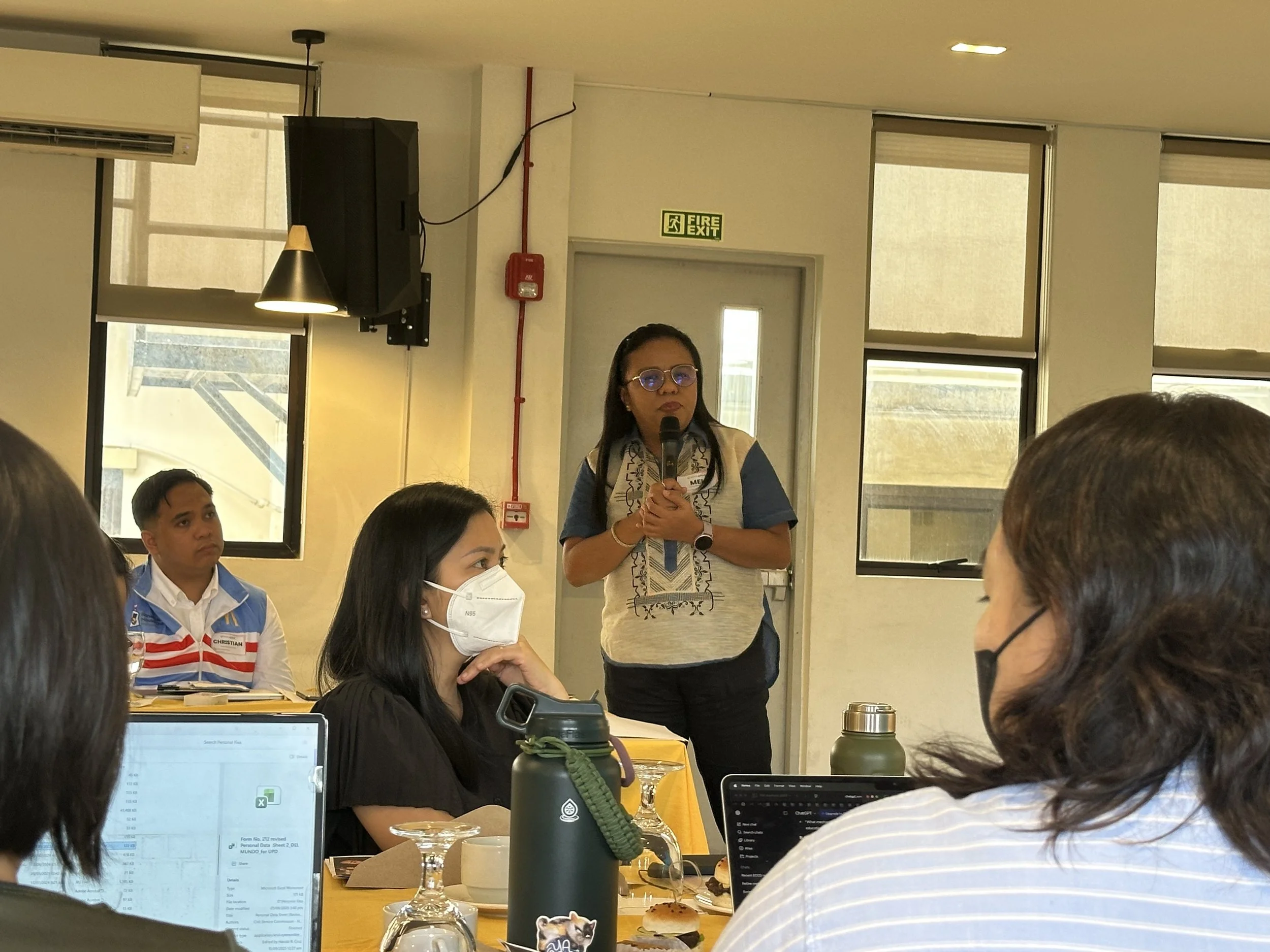
As the sharing of partnerships and initiatives continues, Mr. Christian Tandoy of Ronald McDonald House Charities presented RMHC’s Bahay Bulilit, a child-friendly, community-centered infrastructure approach made possible through strong partnerships with LGUs. Ms. Melissa Macarubbo of LBC Foundation highlighted their long-standing support for AGFI programs—including Handang Magbasa, the expanded Magsimulang Magbasa, and Unang Isang Libong Araw—and shared stories of how these programs made an impact on children’s learning outcomes and a CDW’s profession. Meanwhile, Teacher Candy Padilla from Miriam College showcased their continuous efforts with AGFI to professionalize the ECCD workforce through accessible training opportunities for CDWs and TESDA-aligned career pathways. Finally, Ms. Catherine Manzano of Save the Children discussed the current status of ECCD in the context of the Sustainable Development Goals (SDGs).
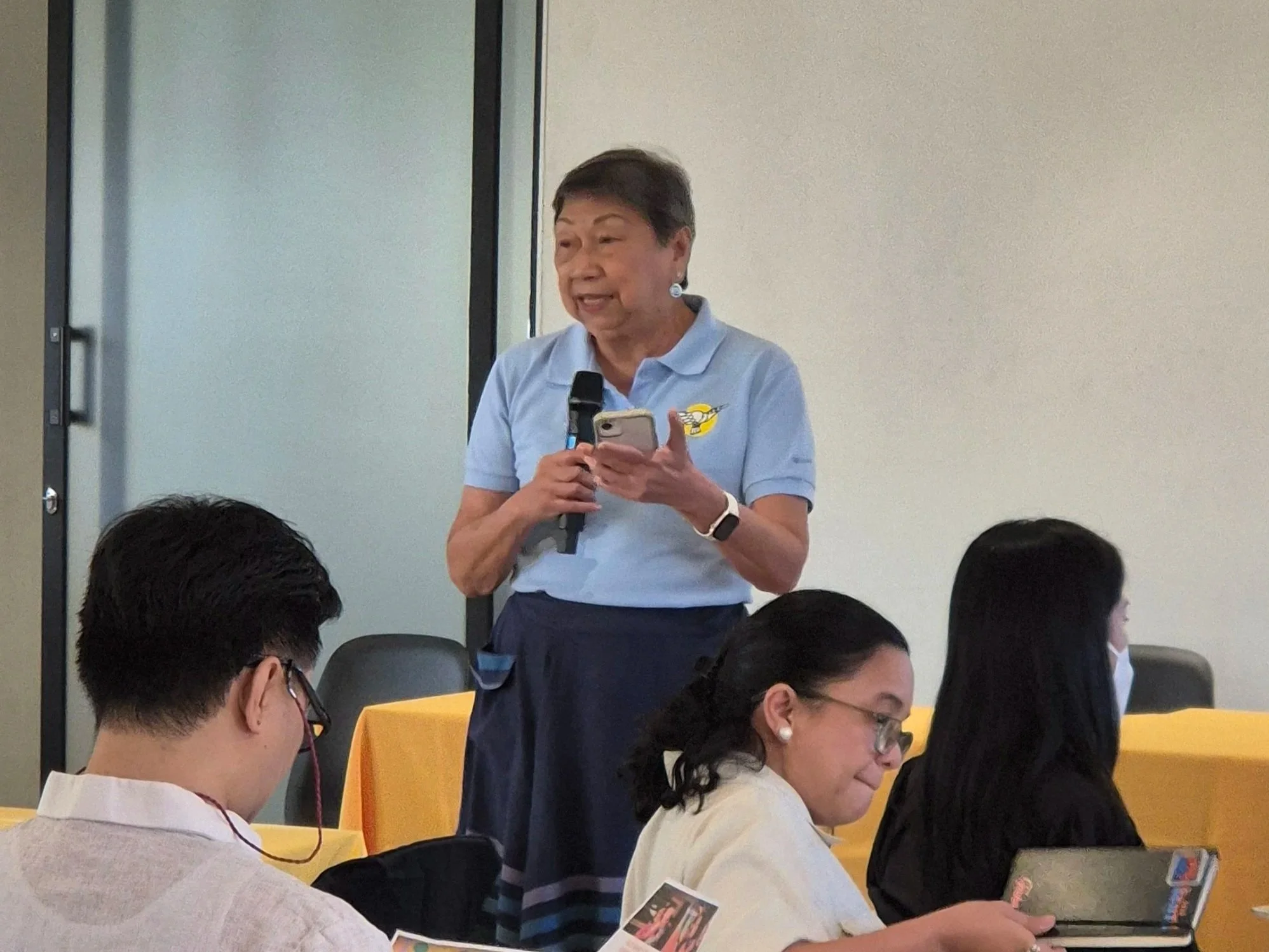
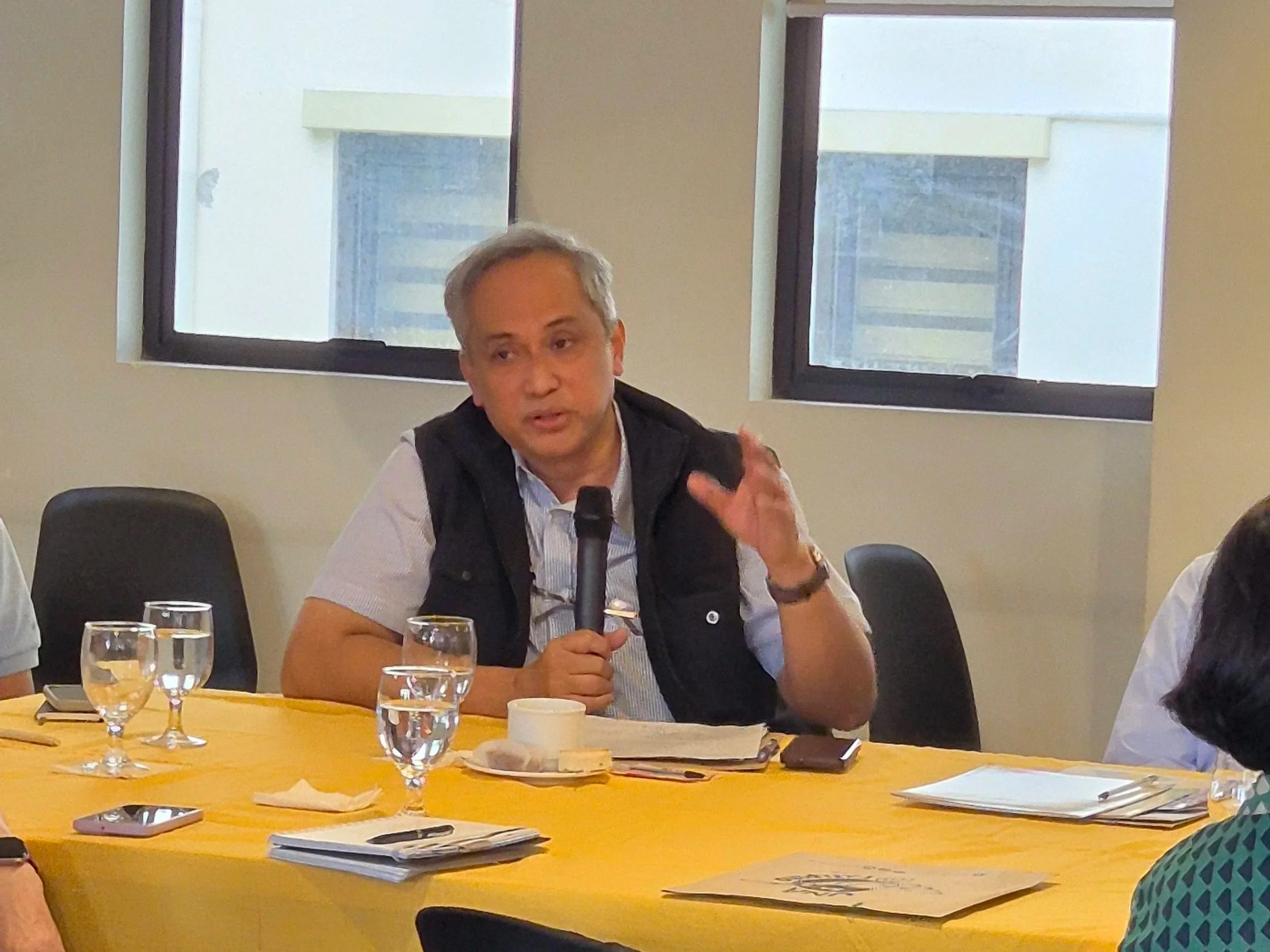
Together, the insights shared during “17 for 4: Forming Partnerships for ECCD” painted a clear picture: while the ECCD landscape in the Philippines presents significant challenges, it is also rich with opportunities for collective impact. The session emphasized that effective ECCD requires systems-wide collaboration, with every stakeholder contributing towards a shared goal for the children.
Though this meeting is only a step toward strengthening the ECCD sector, it marks an important beginning. Like a lighthouse, it steers organizations to collectively serve as a guiding light for the sector and illuminate the path toward a more inclusive, responsive, and child-centered ECCD system for every Filipino child.