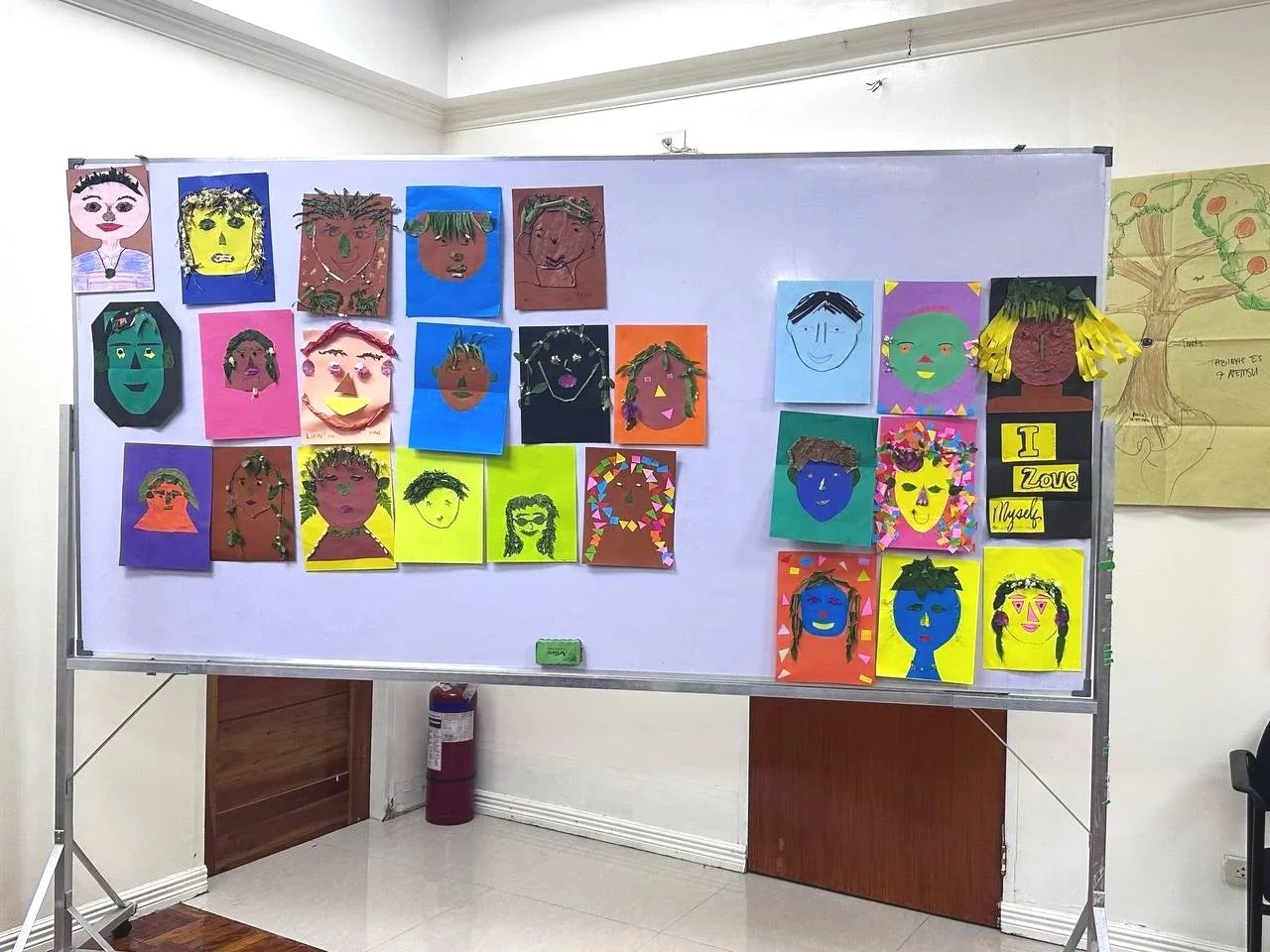
Stories as Roots: Strengthening Indigenous People’s Education through Storytelling
“Decolonizing culture starts with stories.”
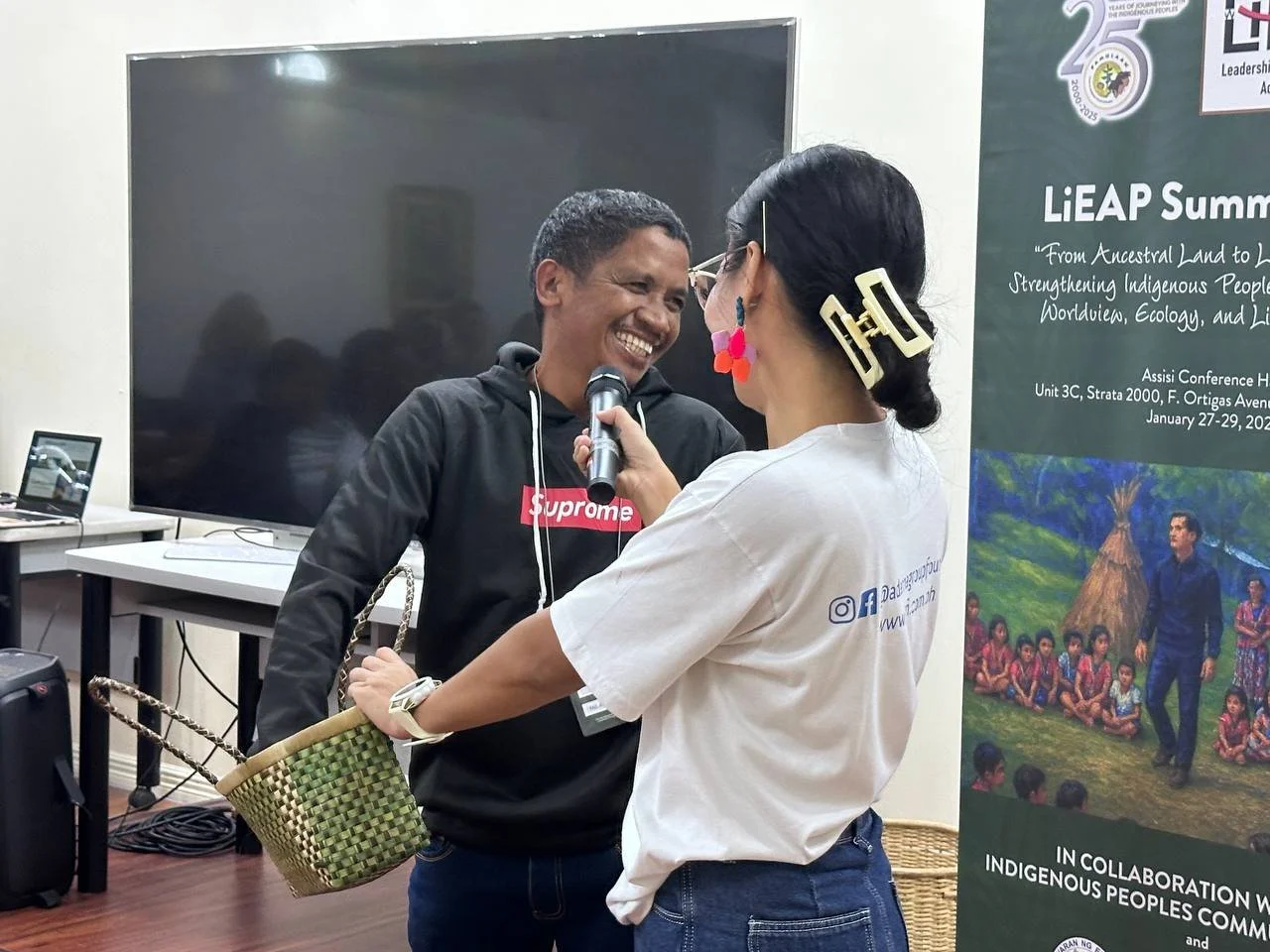
This was one of the powerful statements made by Ms. Noemi, a teacher from the Unang Hakbang sa Pangarap Preschool, Inc., when asked about her personal reflection during the workshop on Effective Storytelling.
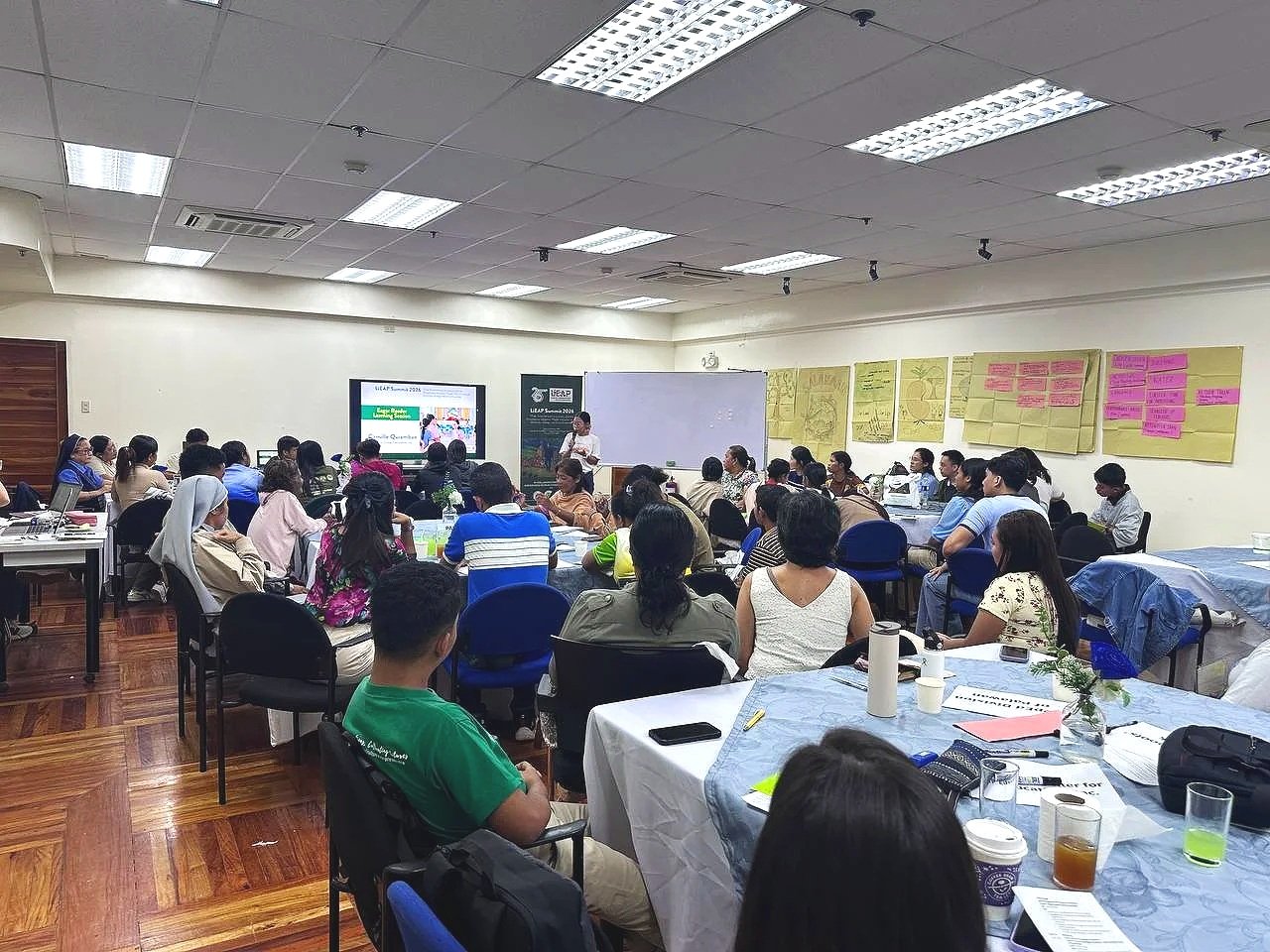
Last January 28, 2026, Adarna Group Foundation conducted an Eager Reader Learning Session in partnership with Pamulaan Schools for Indigenous Peoples Foundation, Inc., as part of the Leaders in Indigenous Education and Advocacy Program (LiEAP) Summit. The LiEAP Summit brings together school leaders, teachers, child development workers, and members of the Indigenous Peoples’ Education Council to strengthen capacities in school management, Indigenous Peoples (IP) education systems, and operations.
Grounded in a shared commitment to improving learning outcomes in Indigenous communities, AGFI’s Eager Reader Learning Session: Effective Storytelling workshop, facilitated by Teacher Camille Quiambao, explored a range of storytelling techniques, including the intentional use of voice and emotion. Further, Teacher Camille tackled how reading and storytelling can serve as powerful tools to introduce, develop, and strengthen children’s early literacy skills.
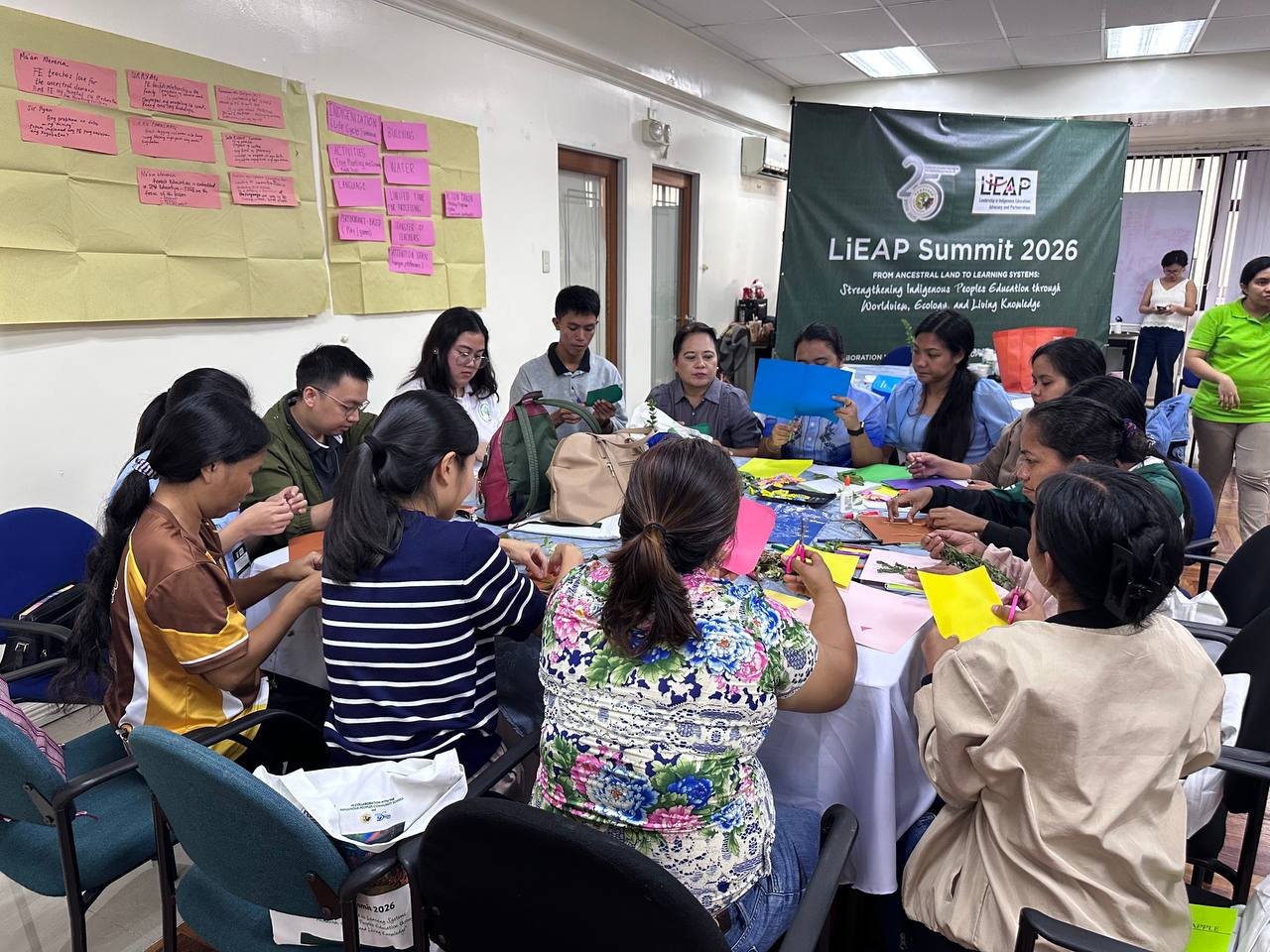
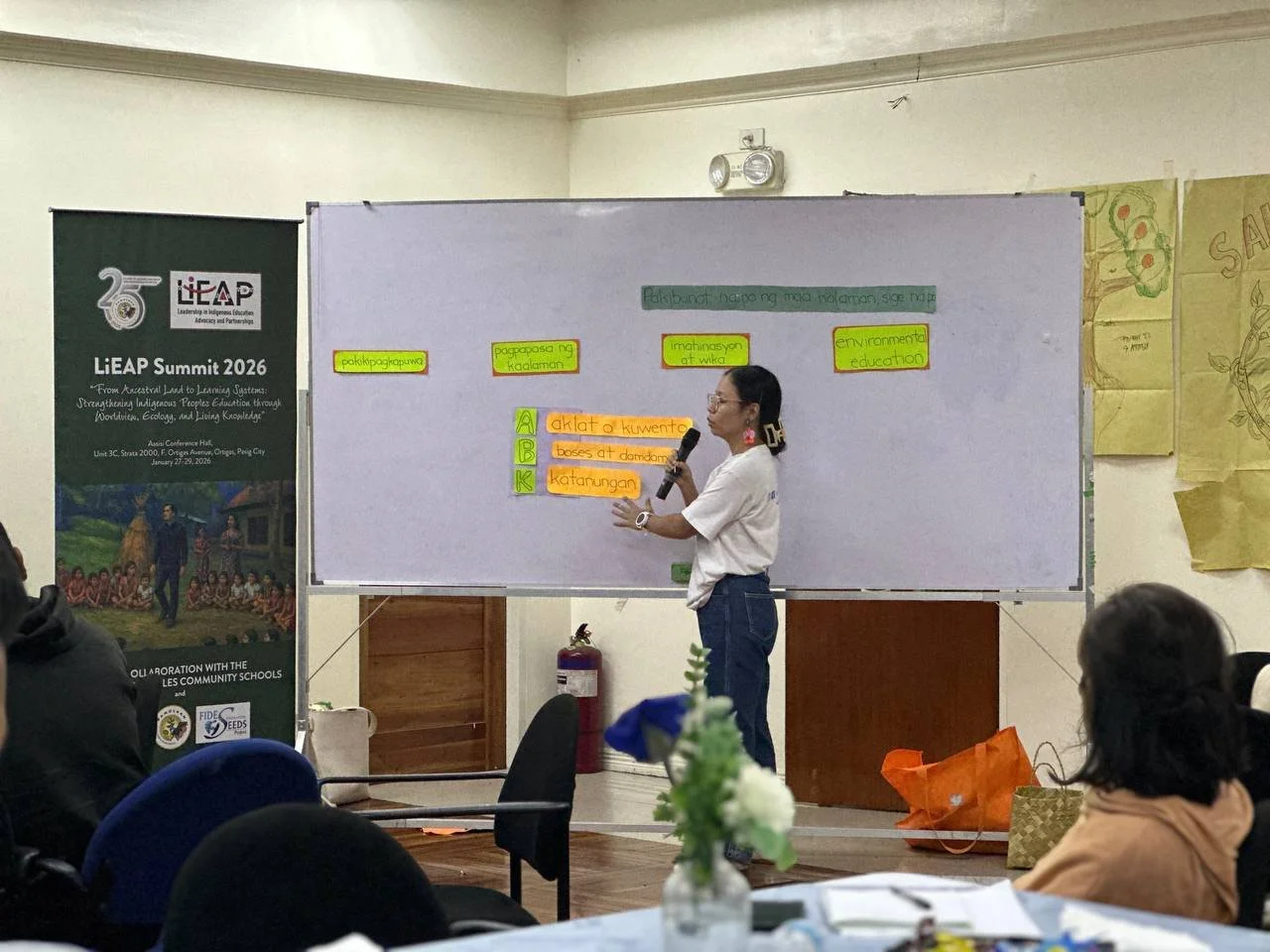
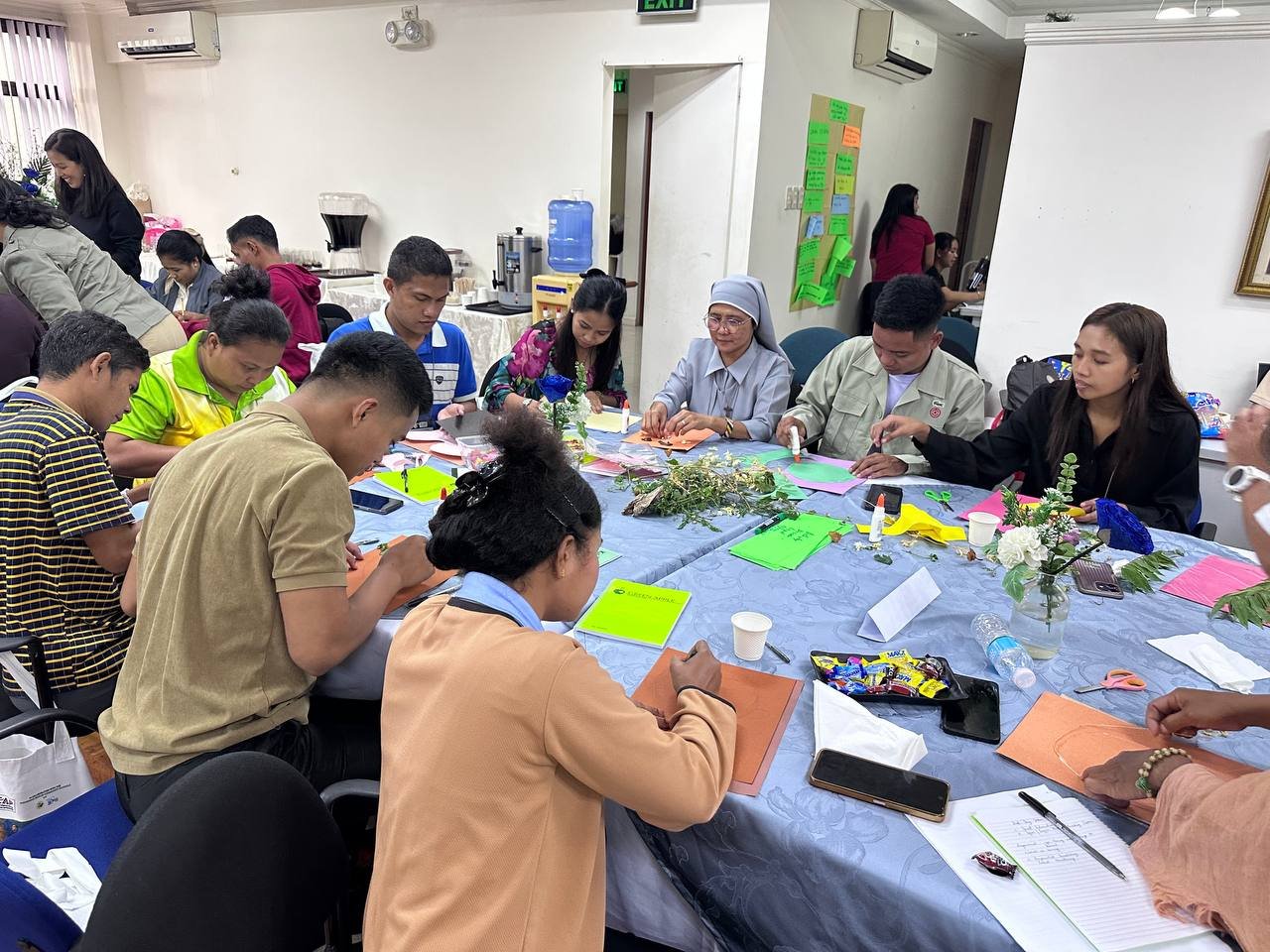
Building on the earlier session on learning environments, Teacher Camille highlighted how storytelling can enrich environmental education by integrating locally available materials and familiar community objects into stories. By anchoring stories in their environment and cultural context, these materials make stories more relatable, engaging, and meaningful. The workshop underscored how resourceful, community-based storytelling practices help ensure that learning is both accessible and enriching.
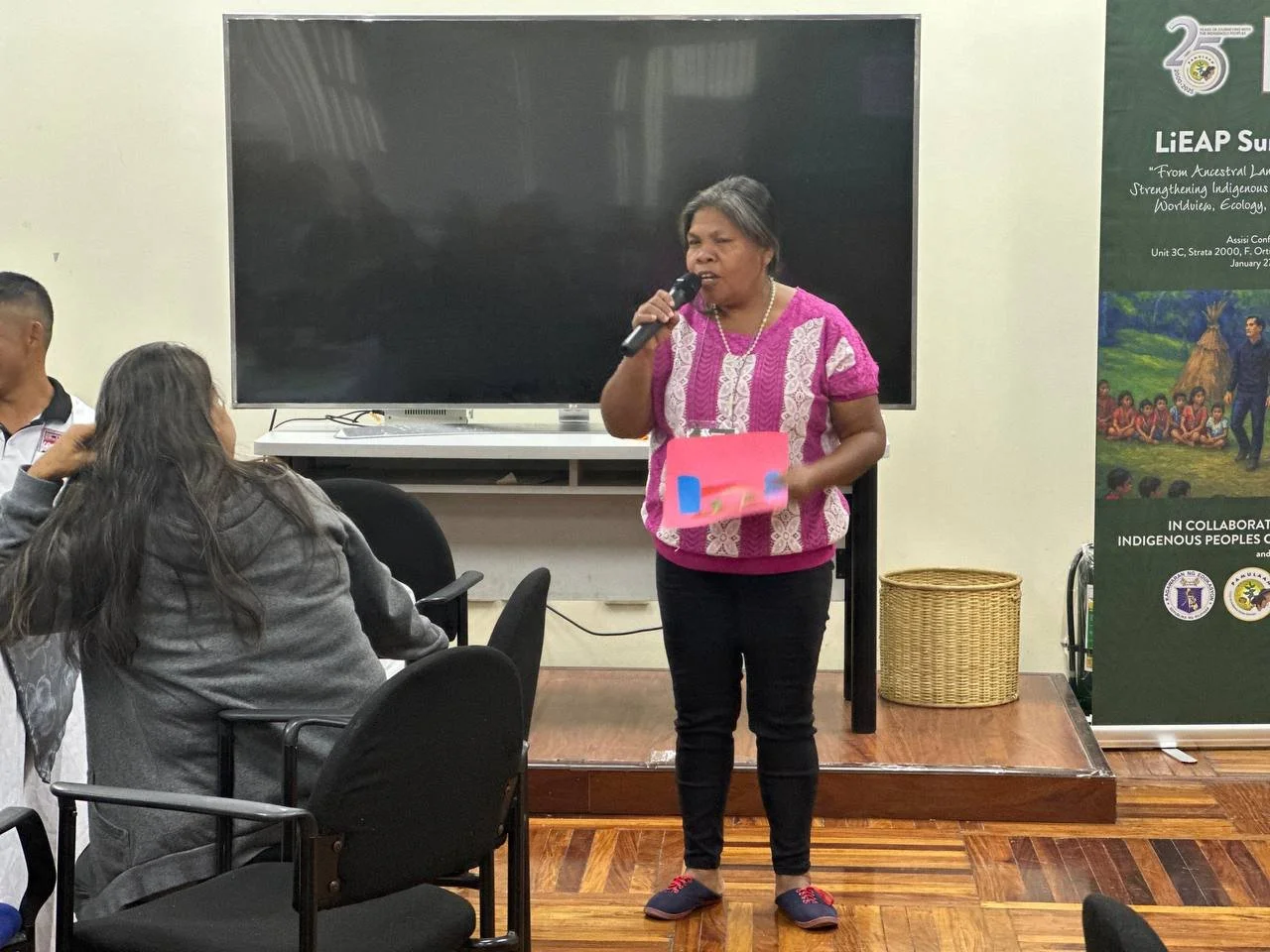
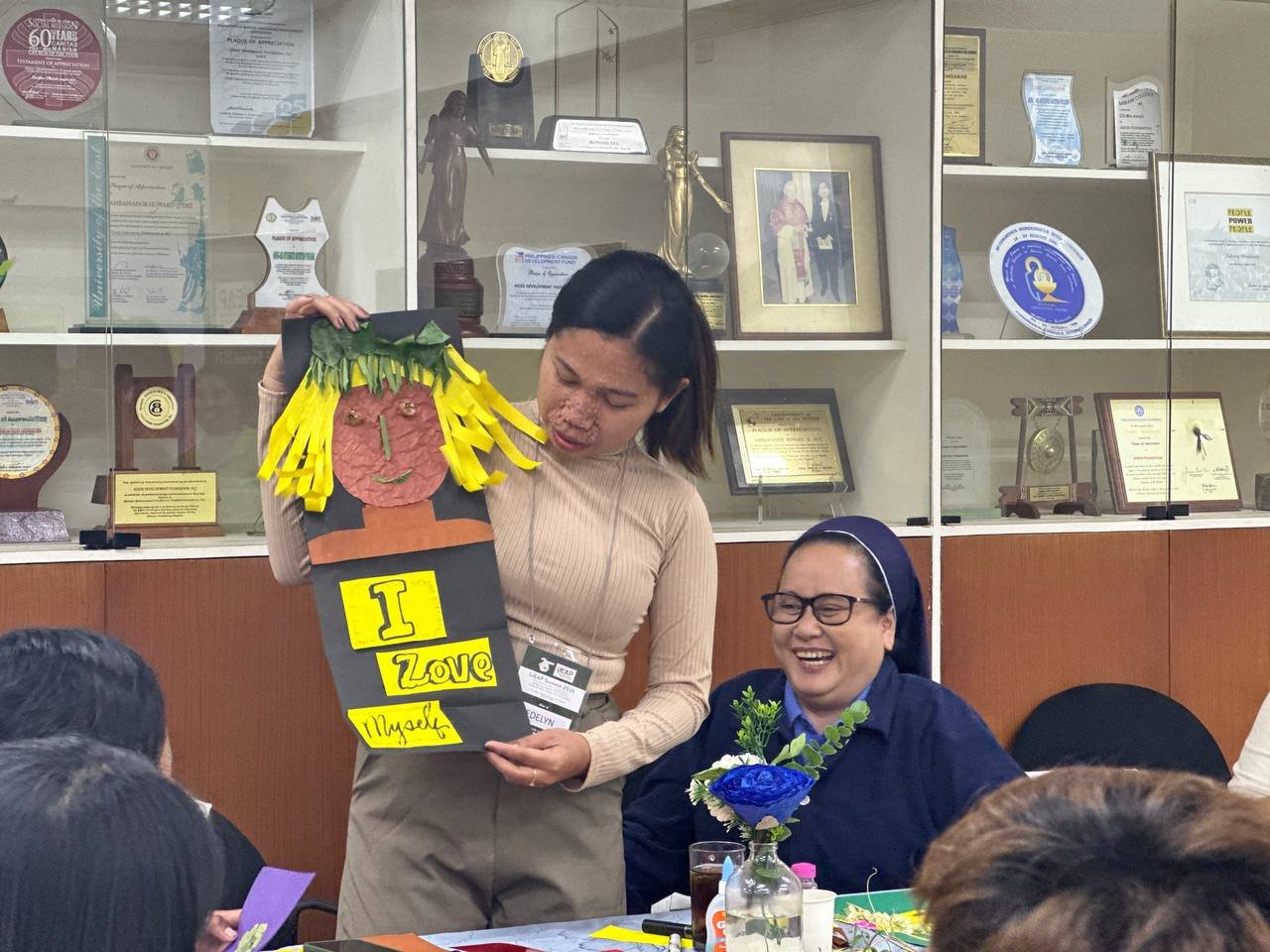
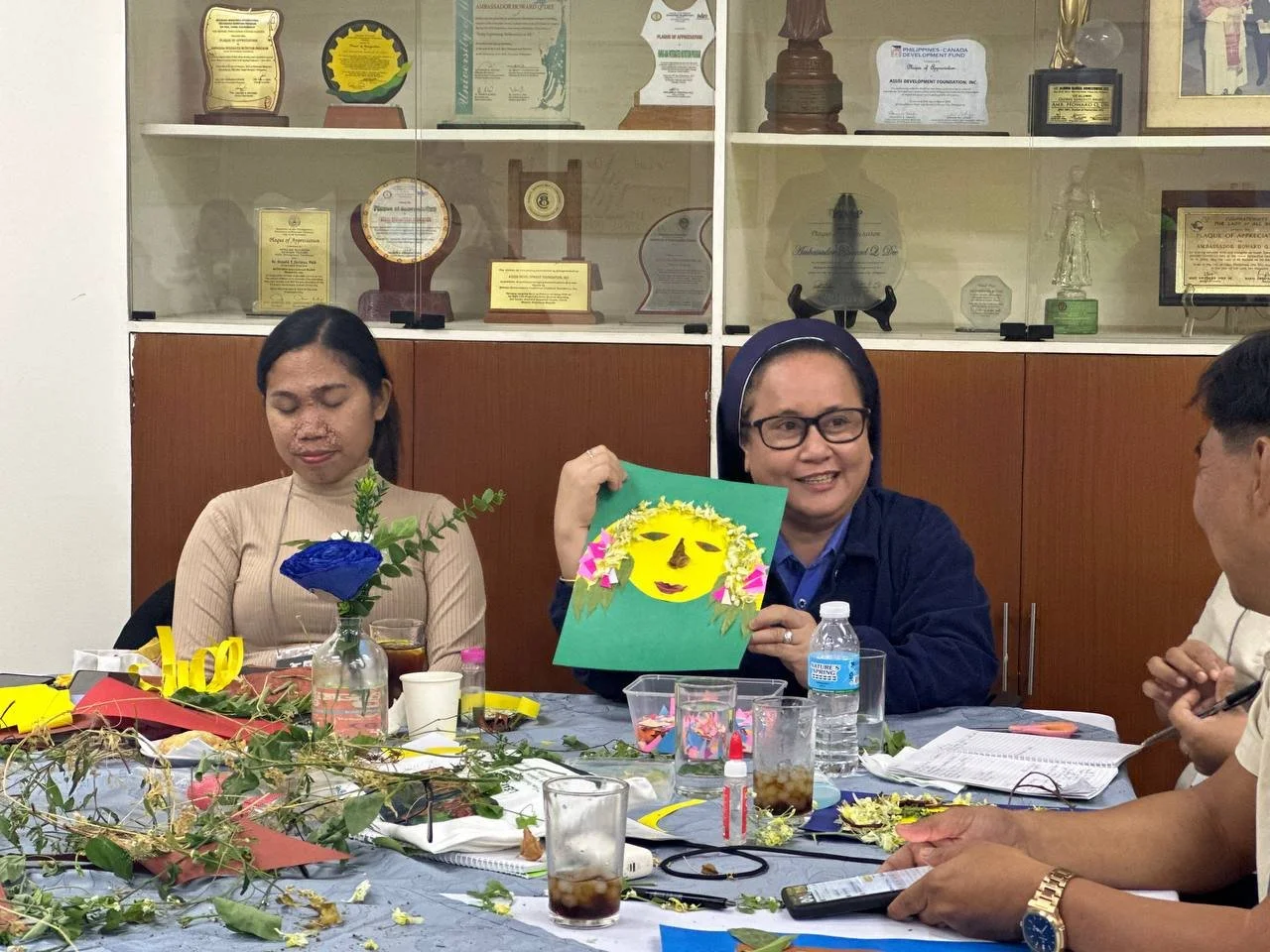
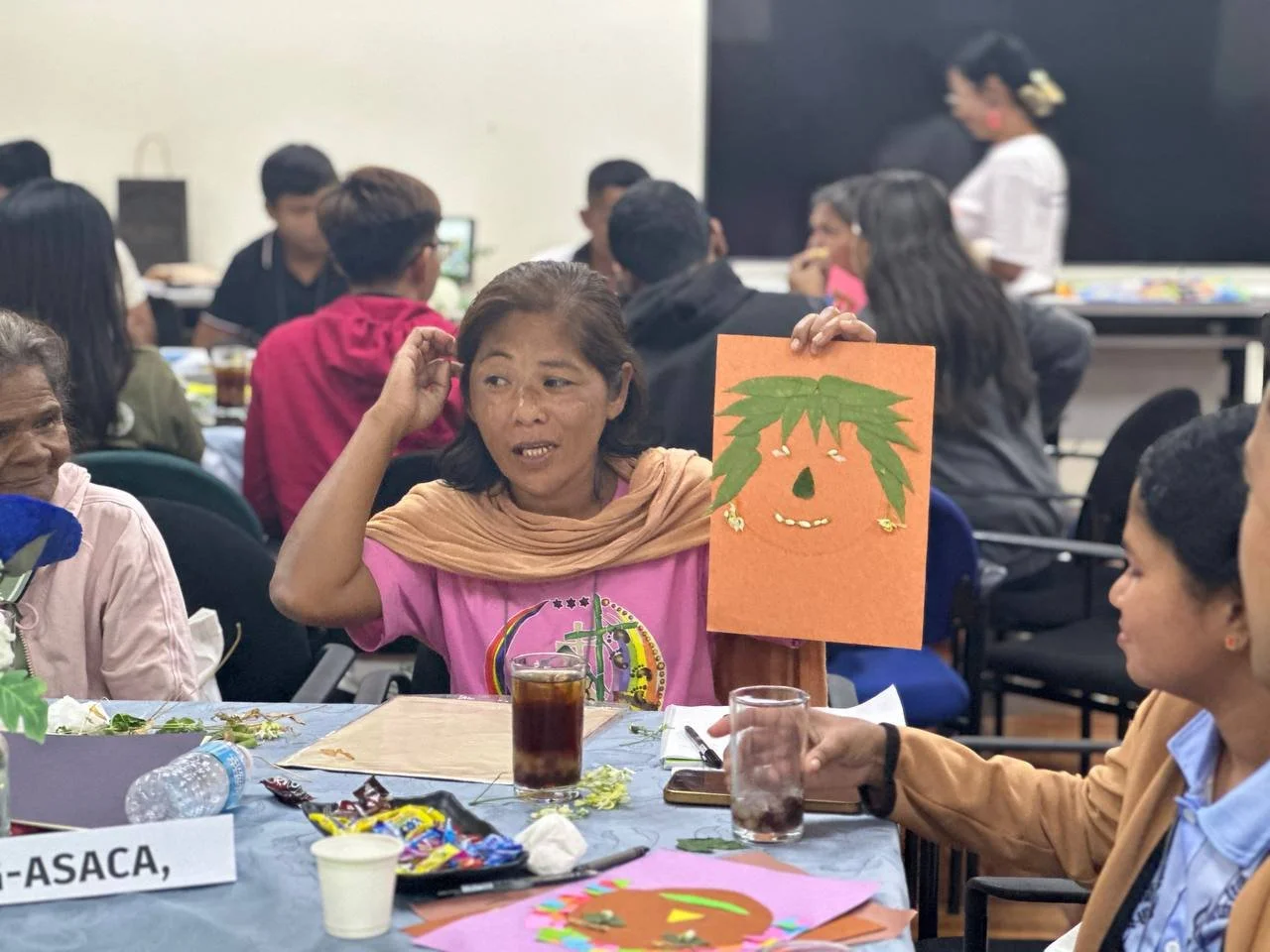
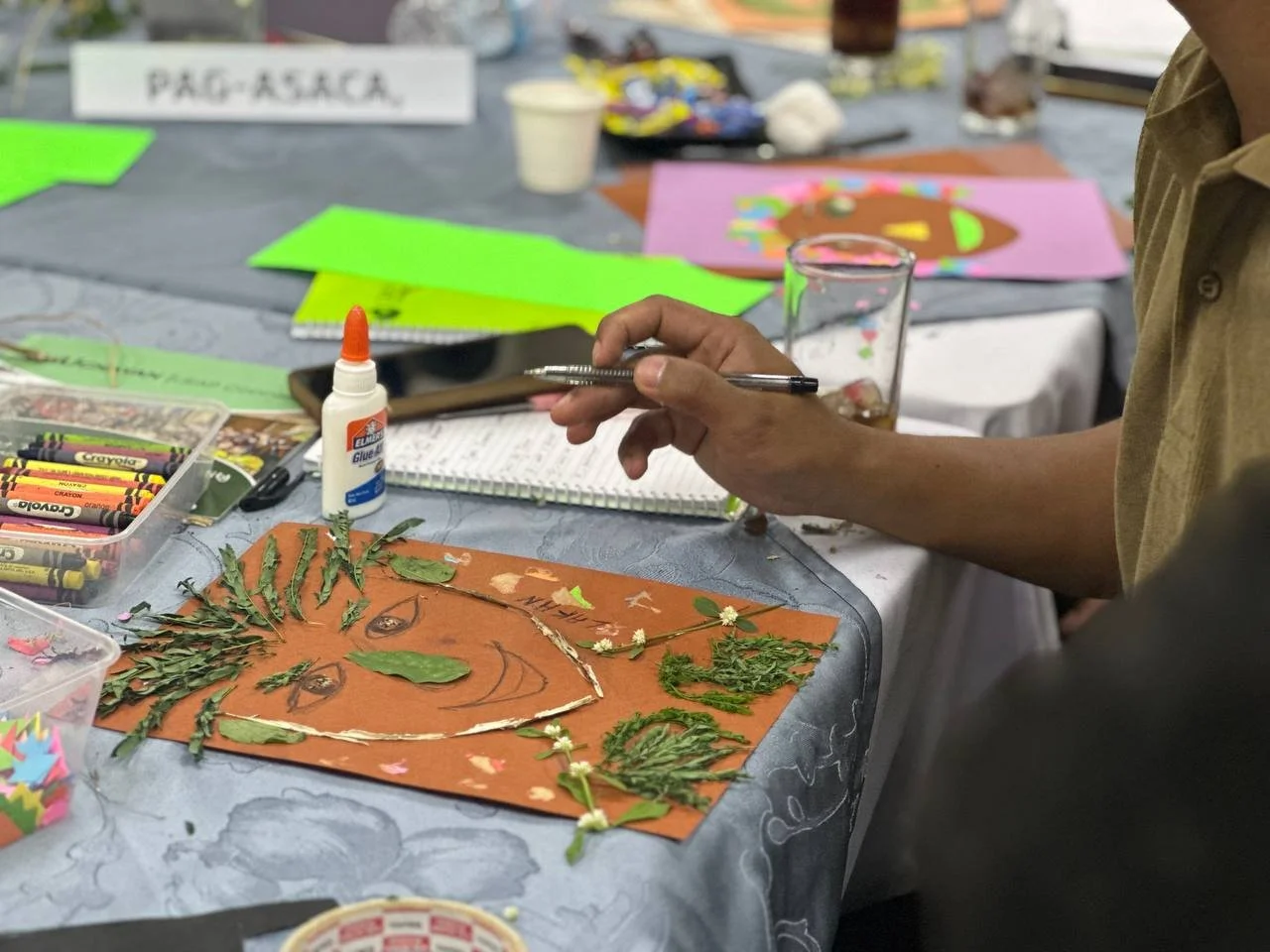
Throughout the session, participants created a deeply collaborative and insightful environment by sharing their own stories, reflections, and experiences. They expressed a deep reverence for their traditions and an enduring respect for nature - values that remain at the core of their identities. Many believe that their culture is inseparable from the land: forests, rivers, and mountains not only serve as their surroundings, but also as living teachers. Stories from the participants also revealed their worries that certain traditions—and even native languages—of their own tribes were no longer being passed down to younger generations. This sentiment highly underscored the importance of storytelling not just as a teaching tool but as a vital act of cultural preservation and an intentional act of cultural continuity.
At the end of the workshop, several participants noted that the training affirmed the importance of nature while highlighting storytelling as a powerful way through which traditions are preserved, languages are heard, and ancestral knowledge is gently carried into the present. They believe that by telling their own stories, they are not only teaching children how to read and listen, but also how to remember, respect, and carry forward the culture that defines their identity.